
The Hidden Danger of “Code-Compliant” Step Lighting
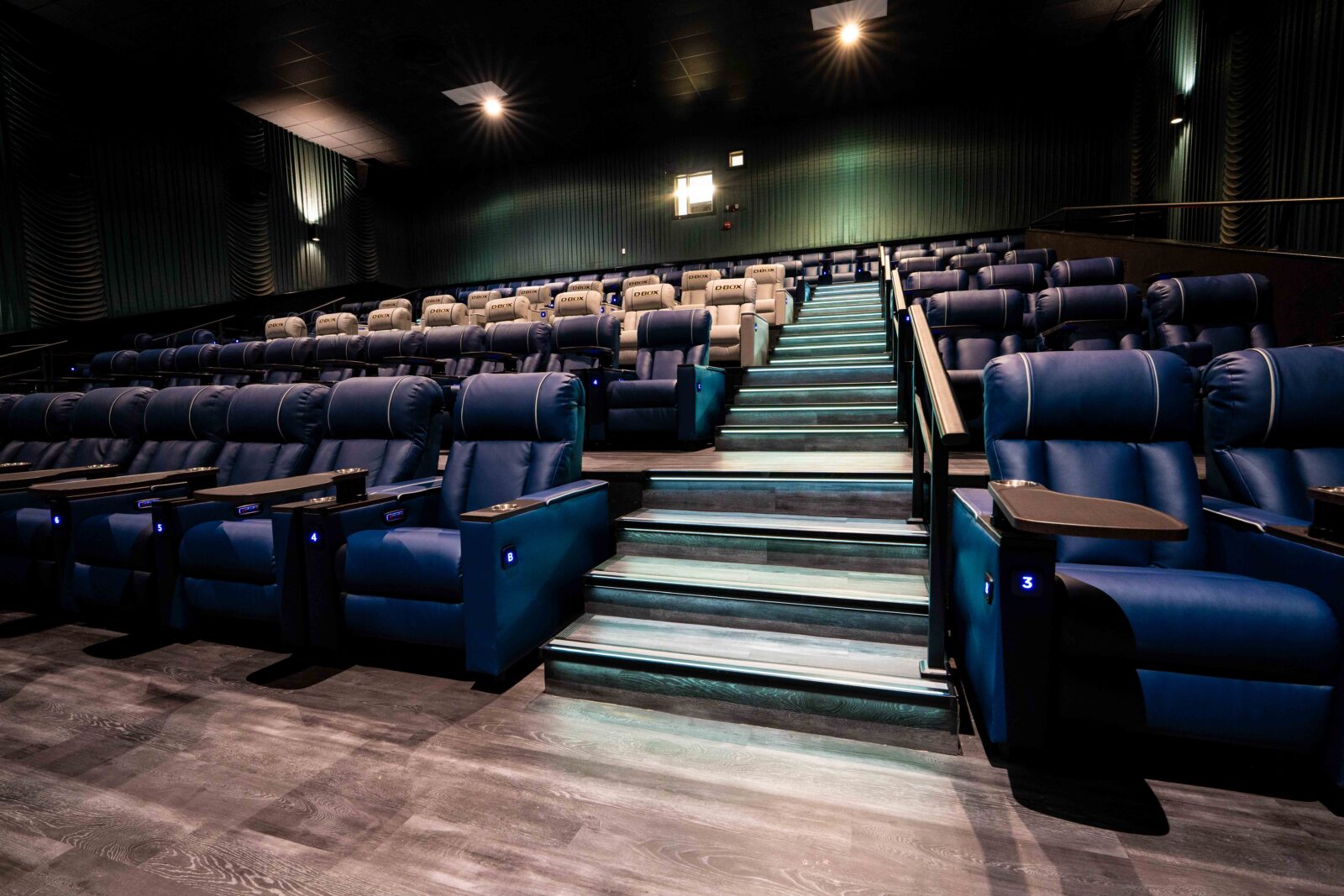
Venue owners, facility managers, health & safety inspectors, and architects all want to meet building codes, but standard LEDs are not enough to stop falls. Real safety requires specifically lighting the step’s nose with direct-view, glare-free illumination to guide foot placement.
We got to talk with our president, Steve Pendlebury, and ask him a few questions around some of the issues he is seeing in the entertainment industry around step lighting and safety. Throughout the discussion, Steve brought up numerous points about how the current state of the industry doesn’t do enough to prevent falls.
The False Sense of Security
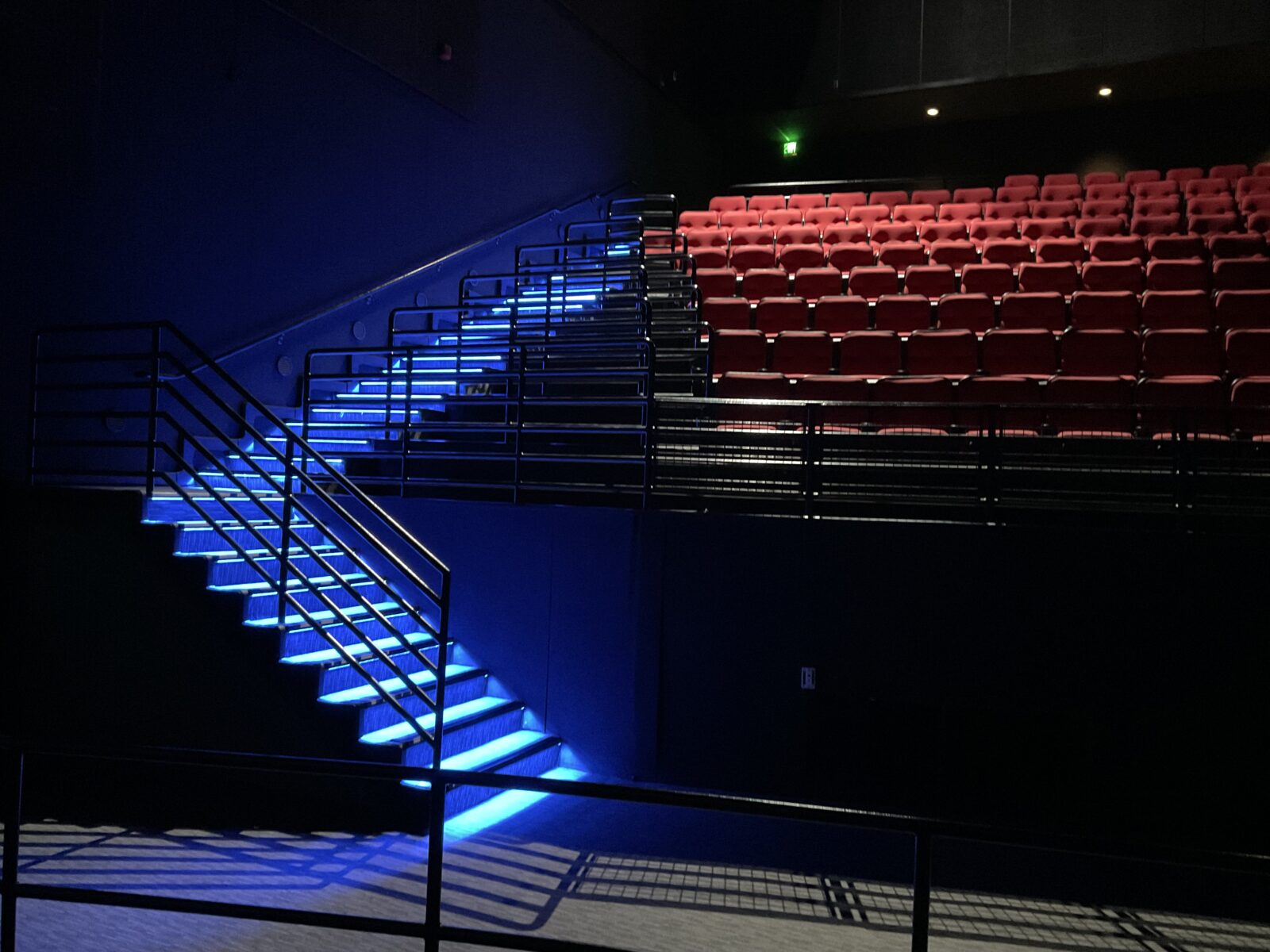
Most venues light their stairs to help visitors and pass building codes, but passing code doesn’t always stop people from falling. The standard solution most venues opt for is shining bright lights onto the floor from the walls. Ultimately, this creates a false sense of security while ignoring the actual science of how humans navigate stairs in the dark or dim light.
As humans, we use our eyes to see, and the surrounding lights help us determine where our feet should land with each step. When stairs are lit from the wall, i.e there is no step edge delineation, the foot can go further past the equilibrium point on each step until the user ultimately falls forward, as shown in the image below.
Another method is to light the nose of the stairs with an LED light bar. However, this creates another problem: LEDs are not designed to be looked at. They overwhelm the eyes and cause momentary flash or spot blindness. This is why LEDs are often used as shop lights or in flashlights. In either case, you are never looking directly at them.
Steve: “If you have an LED shining on you. You can’t [look at the step]. So, you’re looking up… each time I take a step… that gives me an overstep, and that’s when I fall forward.”
In the end, if a person cannot clearly see the step edge, their foot travels further past the equilibrium point with each step. Eventually, the ankle gives out from this overstepping, causing a dangerous forward fall.
The “Daytime Fall” Comparison
It’s one thing for someone to trip in a dim, low-lit theater; it’s another for it to happen in broad daylight. This often happens simply because they miss a change in depth. This is why ADA-compliant stairwells use bright yellow stripes on the nose of the step.
Steve: “Just because you can see the [steps] in the bright daytime… doesn’t mean that it’s going to stop you from falling… If you go to the theater and you get lights on the side and light the whole staircase, right, then you’re no different than a stairwell… in a government building.”
While reflective tape provides visibility, it still requires an external light source that risks blinding patrons. This is why a thoughtful step lighting solution is key to maintaining both safety and a proper atmosphere.
The StepGuard & Light Tape Solution
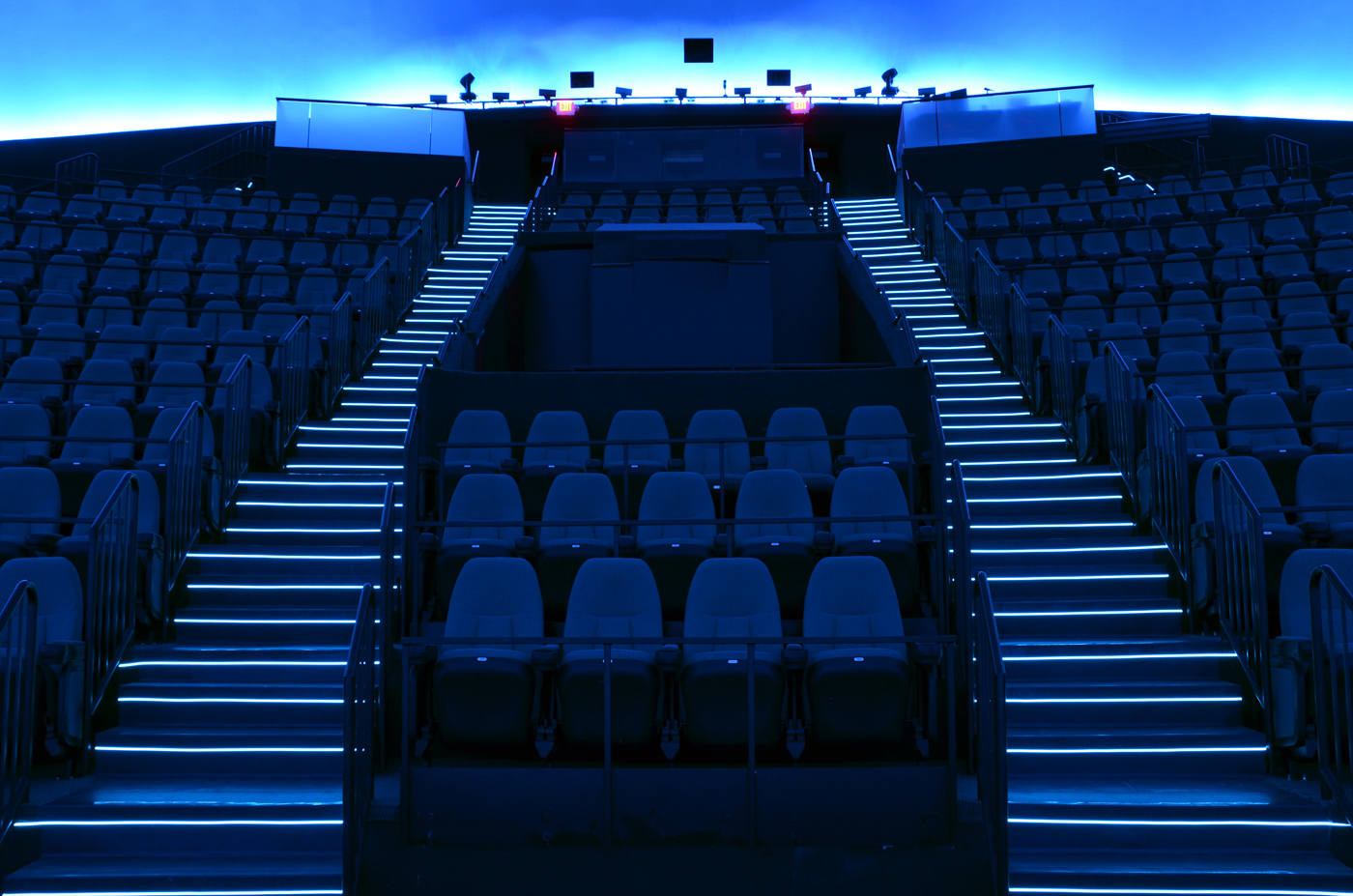
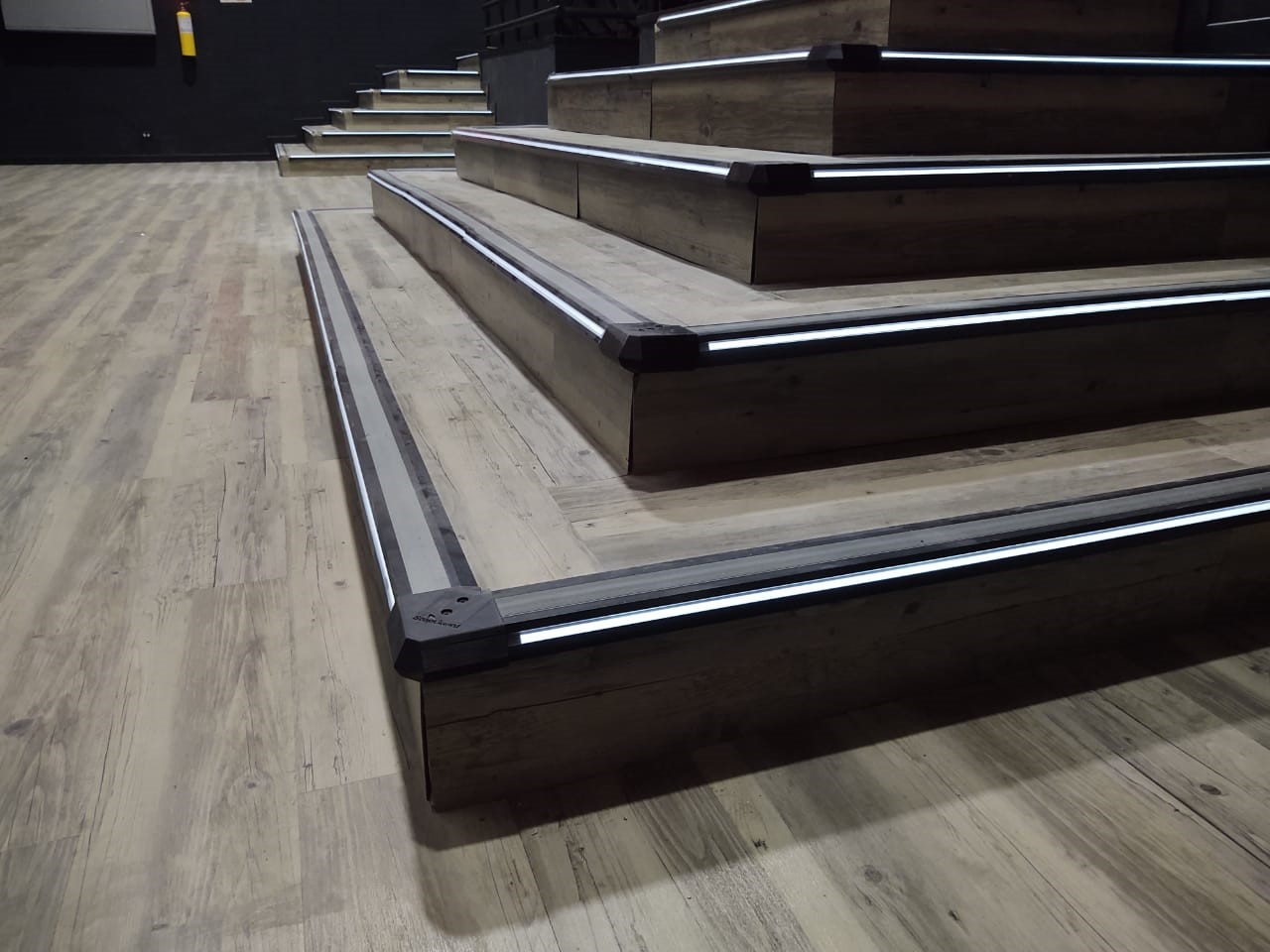
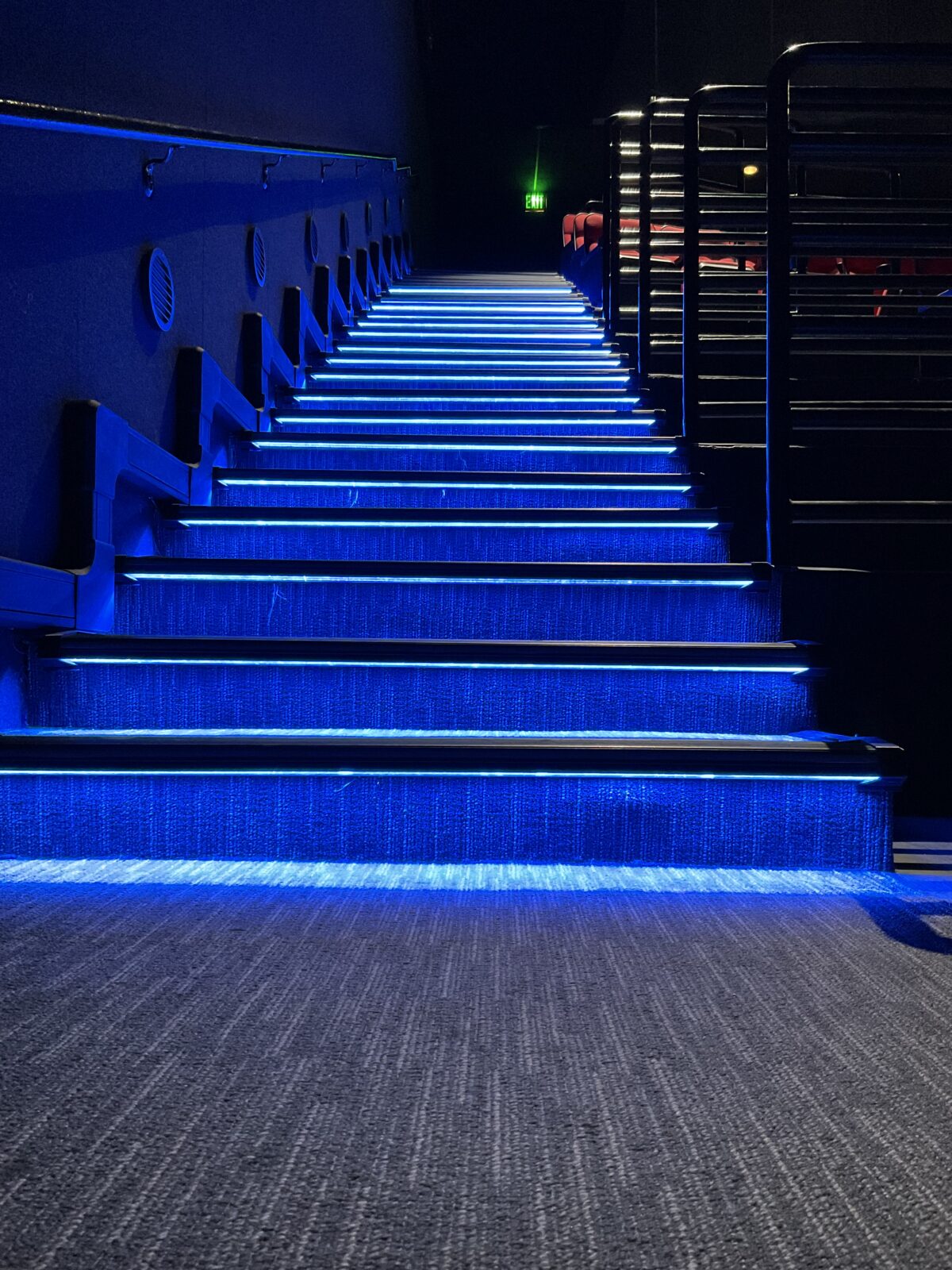
Unlike harsh LEDs that cause flash blindness, Light Tape is a continuous, non-glare line of light designed specifically to be looked at directly. The light is positioned flush with the profile of the step, it prevents overstepping on the way down and understepping on the way up, helping users move naturally and safely.
Studies show that keeping at least 50% contrast at the stair edge increases heel clearance, improves gait, and greatly reduces fall risk. Light Tape is able to maintain the contrast and even control it with dimmable settings. This can provide further advantages if your venue caters to an older audience.
Steve: “Navigation at night, the youth can see, the middle-aged can’t see anymore. So the middle-aged join the elderly. So really two-thirds of your population is considered difficult to navigate in the dark.”
Venues work to prevent these falls not only for safety, but also for the liability aspect. One fall could be worth more than the theater itself, depending on litigation, whereas outfitting a theater or venue will cost similar to a few nice seats in the theater.
Making Safety a Priority
Ultimately, relying on standard LED lighting to merely pass building codes creates a false sense of security that does not actually prevent accidents. While bright, wall-mounted LEDs may illuminate the general floor area, they often cause momentary flash blindness and draw the eye’s focus away from the actual hazard. Just as stairs require yellow stripes for safe navigation in broad daylight, dark venues need a clear, glare-free “foot placement indicator” directly on the leading edge of the step.
By upgrading to Light Tape’s StepGuard system, venues provide a continuous, uniform line of light flush with the stair’s nose that is completely safe for direct viewing. This allows patrons to naturally and confidently place their feet, eliminating the guesswork that leads to dangerous overstepping. Thoughtful step lighting does more than just preserve your venue’s dark, immersive atmosphere; it is a critical investment in patron safety. After all, preventing just one fall can easily pay for the entire lighting upgrade.